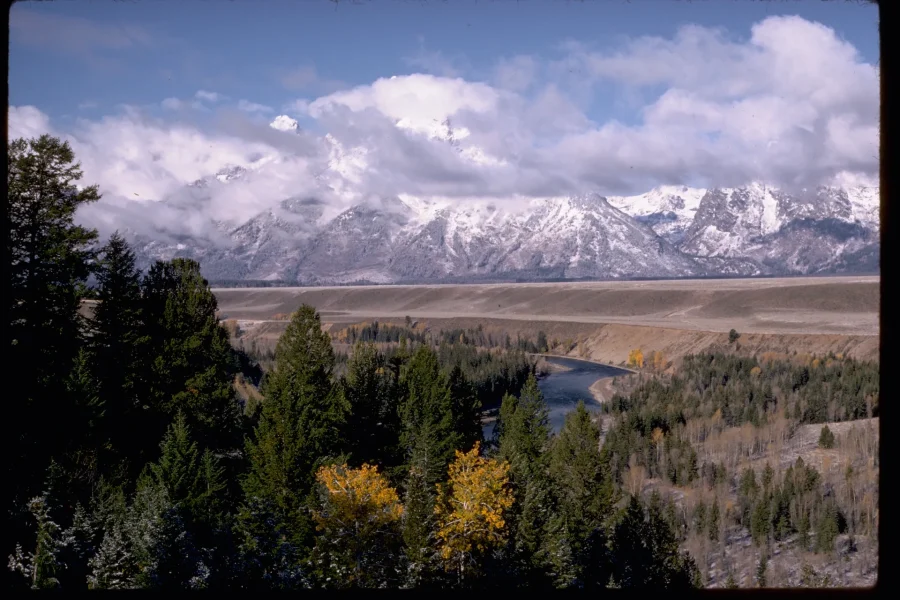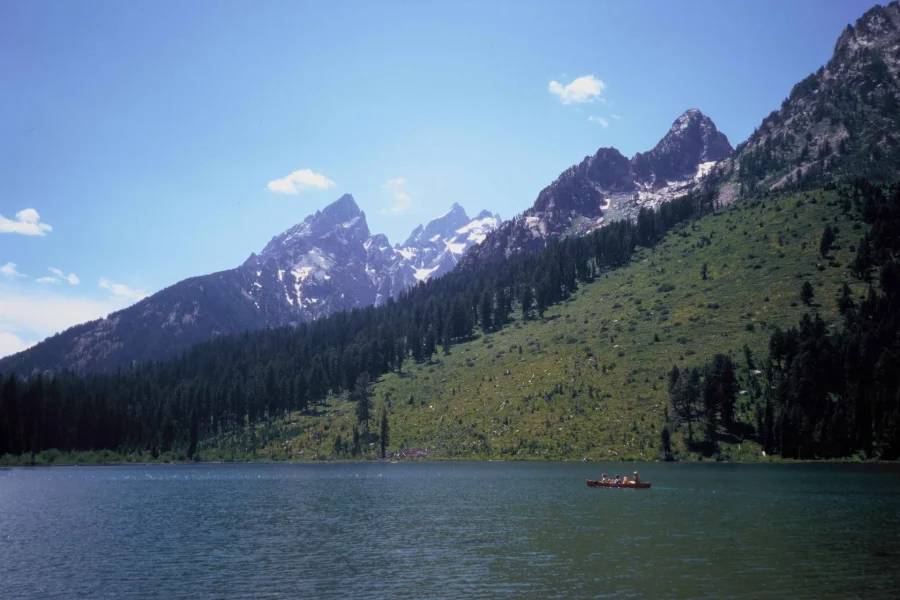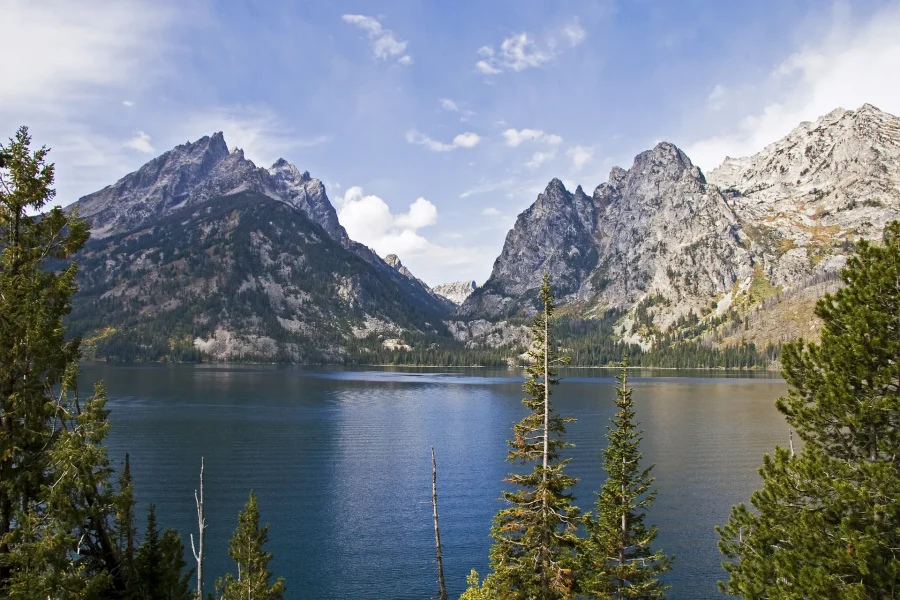
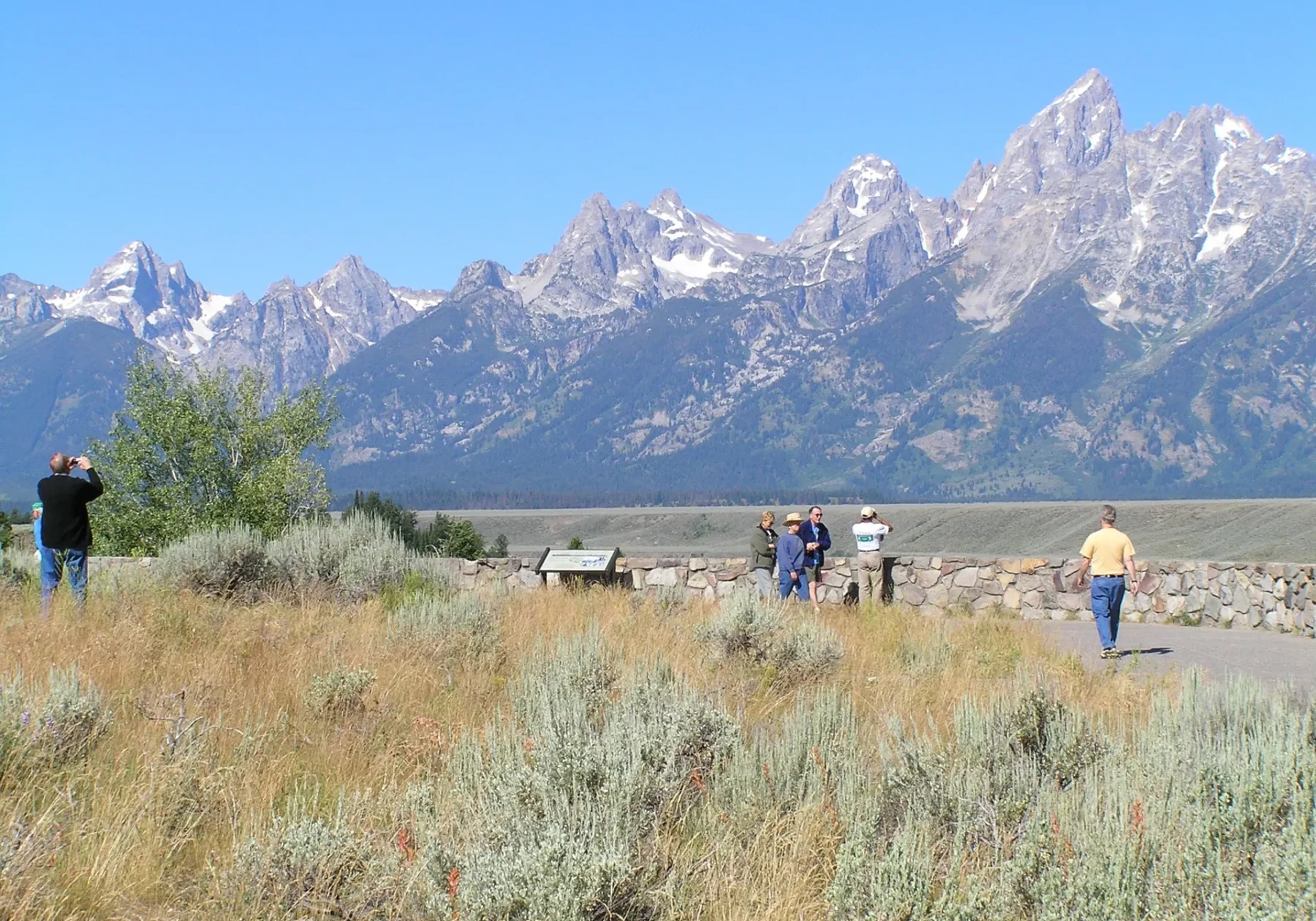
The open sagebrush valley can look like empty space beneath the peaks. It is habitat, travel corridor, winter range, feeding ground, cover, and a visual record of moisture, elevation, and disturbance. Learning to see that structure is more useful than arriving with a list of animals you expect to find.
Read cover and openness together
Sage flats, willow, riparian forest, conifer stands, wetland, open water, talus, and alpine ground support different needs. Edges between those habitats can be important. So can the broad open distance that allows movement. A road, roadside crowd, informal path, or close photographer can interrupt that space.

2 Day Private Grand Teton and Yellowstone Wildlife Tour
Discover the wonders of the Greater Yellowstone Ecosystem on this all-inclusive 2-day private tour from Jackson, WY. Immerse yourself in breathtaking...

Scenic Float Trip on the Snake River in Grand Teton National Park
Experience the beauty of Grand Teton National Park with a scenic float trip on the Snake River. This guided tour off...

Private Scenic Snake River Float - Grand Teton Nat'l Park
Discover the natural beauty of Grand Teton National Park on a private scenic float trip along the Snake River. This...
Begin with a habitat question: where is water, cover, food, or a travel corridor likely to be? Then remain willing not to see the animal. Habitat awareness should increase respect for distance, not produce a more efficient pursuit.
No sighting is owed
Wildlife presence changes by season, time, weather, food, disturbance, and many factors a visitor cannot control. A tour description, social post, or report from yesterday is not a guarantee. Never pressure a guide, drive unsafely, or approach an animal to rescue an itinerary from disappointment.
Use current park rules for minimum distances and area restrictions. Stay farther away whenever the situation requires it. Never feed wildlife. Do not surround an animal or position yourself between adults and young. Keep travel lanes clear, and stop only where lawful and safe.
Make distance visible
A responsible photograph can show an animal small within its habitat or show visitors observing from a lawful established place. The resulting image may be less dramatic than a close portrait, but it communicates scale, agency, and restraint. Long lenses do not authorize closing the physical distance.
Migration exceeds one park boundary
Animal movement connects seasonal habitats across roads, jurisdictions, private lands, and public lands. That larger geography is a reminder that a park boundary does not contain every relationship. Follow current signs and instructions, anticipate animals on roads, and avoid making sweeping claims from one encounter.
Current sources

Grand Teton National Park Tour from Jackson Hole
Experience the tranquil landscapes of Grand Teton National Park on this easy day trip from Jackson. A must-see Wyomi...

Yellowstone National Park Tour from Jackson Hole
Enjoy endless views of mountains, geysers, canyons, lakes, rivers and more on this coach tour of Yellowstone Nationa...

Self-Guided Audio Driving Tour in Grand Teton National Park
Download the GuideAlong self-guided audio tour, and you'll discover more on your Catskill Mountains road trip. Frust...
2 Day Private Grand Teton and Yellowstone Wildlife Tour
Discover the wonders of the Greater Yellowstone Ecosystem on this all-inclusive 2-day private tour from Jackson, WY. Immerse yourself in breathtaking...
Scenic Float Trip on the Snake River in Grand Teton National Park
Experience the beauty of Grand Teton National Park with a scenic float trip on the Snake River. This guided tour off...
Private Scenic Snake River Float - Grand Teton Nat'l Park
Discover the natural beauty of Grand Teton National Park on a private scenic float trip along the Snake River. This...
Grand Teton National Park Tour from Jackson Hole
Experience the tranquil landscapes of Grand Teton National Park on this easy day trip from Jackson. A must-see Wyomi...
Before a wildlife-focused day, review current alerts and safety guidance from Grand Teton National Park and the relevant Wyoming wildlife authority. If staff, closures, or posted signs give more specific direction, follow that direction.